During a site visit to twin community Bellechasse, Avoyelles tourism representatives noticed a practical yet powerful feature along rural roads: bicycle repair stations accessible to anyone passing through. For Avoyelles, which sits on Highway 1—a major corridor that forms part of multiple regional and national bike routes, including the Southern Tier Bicycle Route running from San Diego to St. Augustine—this sparked a question:
How could Avoyelles better serve the cyclists already traveling through the parish, while also encouraging more outdoor recreation and deeper engagement with local historic sites?
Heritage along highways
Bicycle Repair Stations as Gateways to Rural Avoyelles
Natalie for Travel Avoyelles
with Natalie for
Travel Avoyelles

Goals
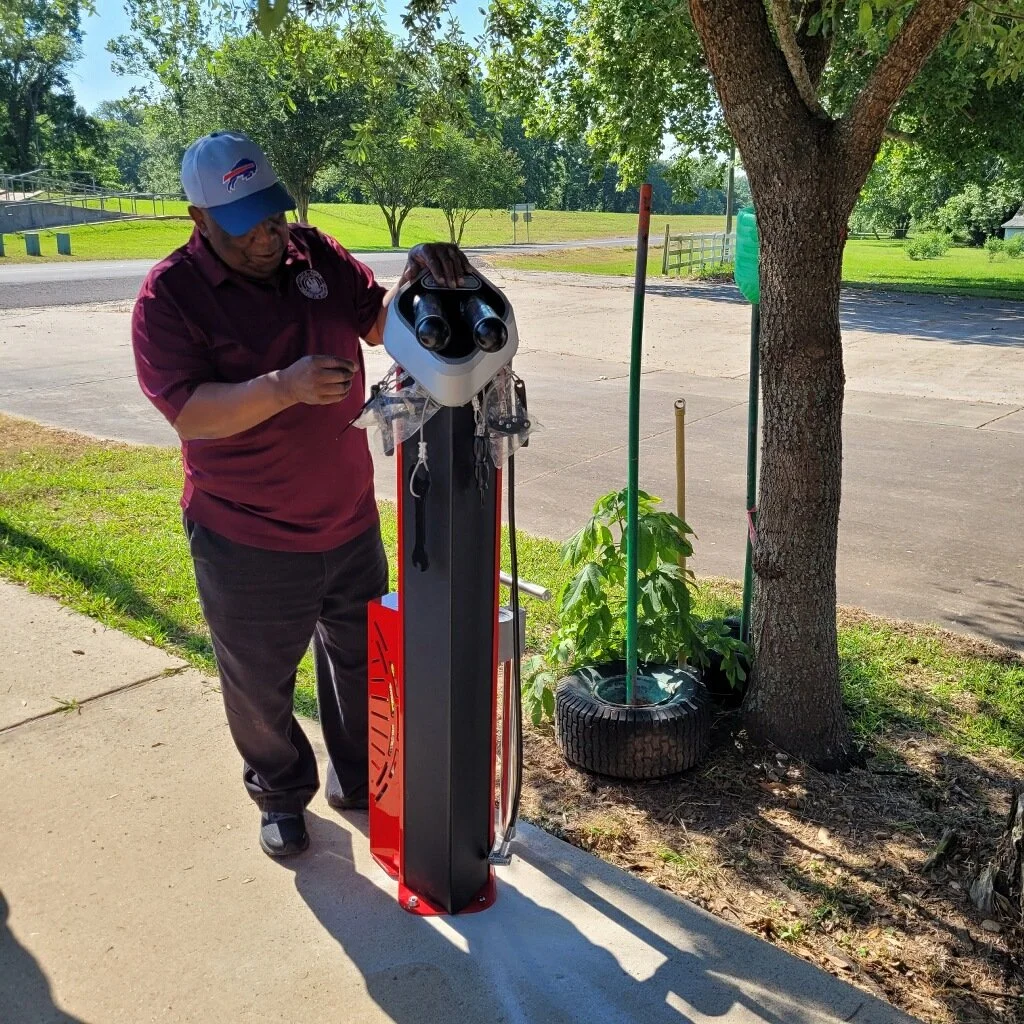
Provide free, visible, and reliable bicycle repair resources in rural Avoyelles Parish.
Encourage more cycling activity in the parish, especially in the high-traffic spring and fall seasons.
Connect riders to local tourism destinations, particularly historic and cultural sites.
Use small-scale infrastructure investments to reinforce Avoyelles’ identity as a welcoming, bike-friendly rural destination.
3. Site Selection with Tourism Impact in Mind:
I identified two locations that would serve cyclists while also bringing them into contact with local history and rural life:
Station 1: Highway 1 Gateway Site
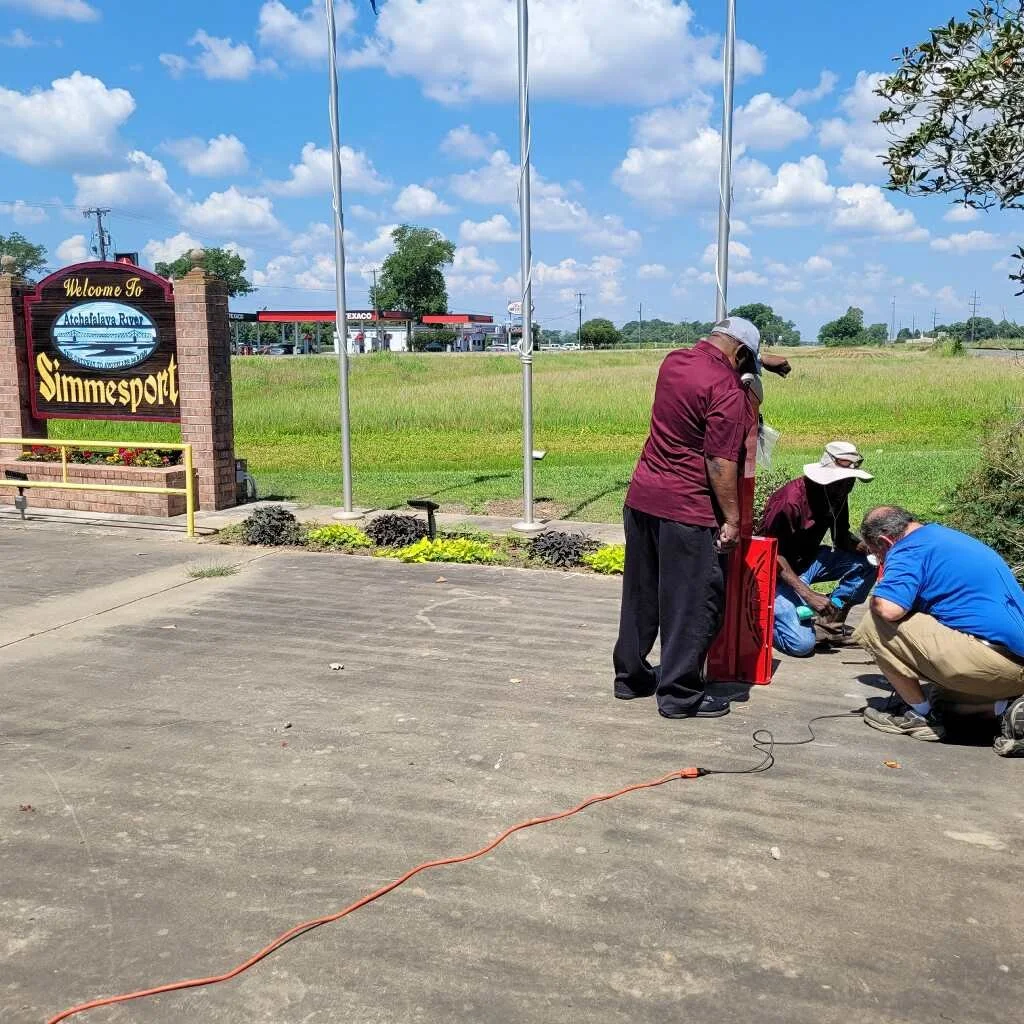
Located on Highway 1 at the southern entrance to Avoyelles Parish, the first repair station was placed adjacent to a large convenience store and in front of a historic railroad car that already attracts travelers stopping for photos.
Station 2: Historic Museum and Scenic Loop Site
The second station was installed in front of a historic post office that has been converted into a museum on Highway 451, a scenic loop route used by drivers, motorcyclists, and cyclists. This location invites riders to move beyond the main corridor and experience a slower, more immersive route. The station is positioned so that anyone stopping for a repair or tune-up sees both the museum and a historic iron bridge across the street. The intent is that a utilitarian stop becomes an entry point into local history, culture, and landscape.
Foundation for the future
Because Avoyelles does not currently track detailed cyclist counts, this project was designed as a foundational investment rather than a data-driven expansion. The repair station project is a first step as establishing Avoyelles as welcoming to cyclists, and continuing to build out a tourism corridor that meets their needs.
approach
1. Translating an International Model to a Local Context
The concept for the project emerged directly from the Avoyelles–Bellechasse twin program. Tourism representatives observed how Bellechasse’s roadside repair stations served both residents and visitors in a rural context. Back in Louisiana, we adapted this model to Avoyelles’ geography, traffic patterns, and tourism goals.
Rather than treating the repair stations as stand-alone utilities, we framed them as connectors: points where cyclists would naturally stop that could also introduce them to nearby attractions and community landmarks.
2. Grant Research and Development
My role was to research and write a grant proposal to secure funding for the planning, purchase, and installation of two bicycle repair stations. The grant narrative tied together the parish’s rural location, the presence of established bike routes, the potential for incremental tourism gains, observed seasonal patterns of cyclists, the low-cost but highly symbolic value of cyclist-friendly assets in a rural parish.